

The most popular advice about magnesium for sleep is also the least useful: “Take magnesium glycinate because it's the best form.” Glycinate may be a sensible option for some people, but no magnesium compound has been proven universally superior for sleep. The better question is not which form wins on a marketing label. It's what you want magnesium to do, how much elemental magnesium the product supplies, and how your digestion responds.
A form that helps occasional constipation may be a poor choice for a sensitive stomach. A highly concentrated compound may look impressive on the front label while supplying less absorbable magnesium than expected. And a product that's well tolerated may support a nighttime routine without being a clinically established insomnia treatment.
The Myth of the Single Best Magnesium Form
The phrase “best form of magnesium to take” suggests there's one clear winner for everyone. Current evidence doesn't support that conclusion. A recent systematic review reported that no formulation can currently be considered superior because clinical trials haven't directly compared magnesium forms head-to-head. Differences between studies were also confounded by elemental dose, participant characteristics, treatment duration, measured outcomes, and study quality. The systematic review therefore supports a more careful approach than choosing whichever form is trending.
That distinction matters most for sleep. Glycinate, bisglycinate, citrate, threonate, and other forms are often presented as interchangeable sleep solutions, but they have different chemical structures and practical effects. Citrate is relatively soluble and may loosen the bowel. Glycinate is chelated with glycine and is often selected for tolerability. Oxide is less soluble and is commonly used for laxative or antacid purposes.
Practical rule: Choose the form according to your main goal, not according to the strongest claim on the bottle.
Your objective might be occasional constipation relief, general magnesium intake, a more comfortable supplement experience, or nighttime relaxation. Those goals can point to different products. Someone who wants a bowel-loosening effect may tolerate citrate well, while someone already prone to loose stools may find it frustrating. Someone seeking a gentle nighttime option may prefer bisglycinate, but that preference should be described as a tolerability choice, not proof that it treats insomnia.
Absorption also complicates the idea of a single winner. Magnesium compounds that dissolve more readily in gastrointestinal fluid are generally absorbed more effectively than poorly soluble compounds. The National Institutes of Health magnesium guidance identifies citrate, lactate, chloride, and aspartate as more bioavailable than oxide in comparative research, while also emphasizing that the form isn't the only factor. Medical conditions, medications, dose, and individual gastrointestinal response all influence the result.
The practical conclusion is straightforward: there is no universally best magnesium form for sleep. There are better matches for particular bodies and goals.
Understanding Elemental Magnesium and Bioavailability
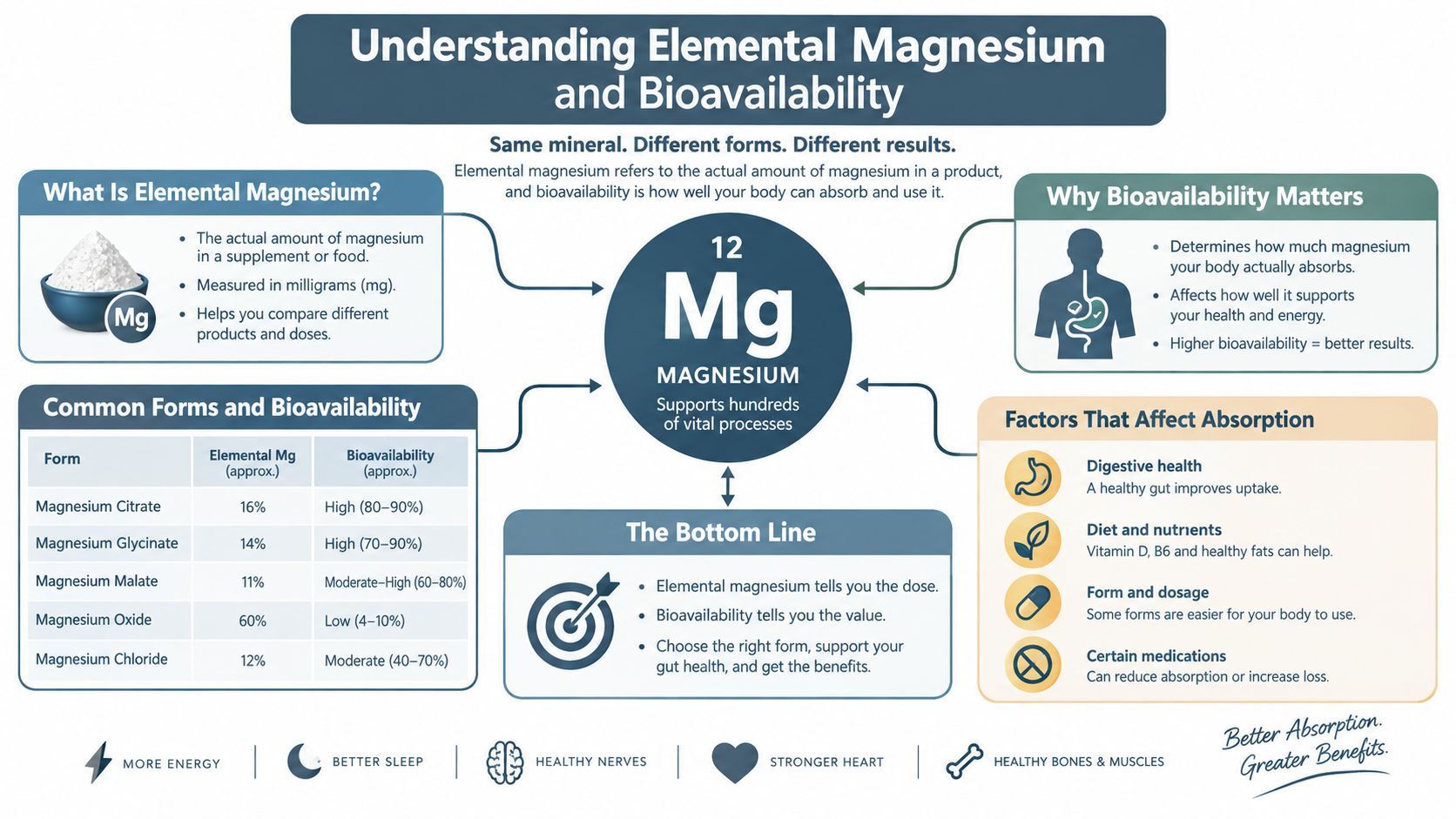
A supplement label usually presents two different ideas that consumers often confuse: the weight of the magnesium compound and the amount of elemental magnesium. The compound includes magnesium plus the substance it's bound to, such as citrate, glycine, oxide, malate, or taurine. Elemental magnesium is the amount of actual magnesium supplied by the serving.
That distinction is why comparing the largest milligram figure on the front of a bottle can mislead you. A heavier compound doesn't automatically provide more usable magnesium. Before choosing a product, locate the Supplement Facts line that specifically states the quantity of elemental magnesium per serving.
Read the label in the right order
Use this simple sequence:
- Find elemental magnesium. Treat this as the meaningful dose for comparison.
- Identify the form. Note whether the product contains citrate, glycinate, oxide, or another compound.
- Check the serving size. A label may list a serving as one capsule, several capsules, or a scoop.
- Assess tolerability. Consider whether the form is likely to loosen stools or upset your stomach.
- Review other ingredients. A sleep formula may contain additional compounds that affect how you interpret its effects.
The NIH explanation of magnesium absorption states that compounds dissolving well in liquid are generally absorbed more effectively. It specifically identifies magnesium aspartate, citrate, lactate, and chloride as having higher bioavailability than magnesium oxide and magnesium sulfate. That makes solubility a useful selection filter when the goal is to increase magnesium intake rather than obtain a laxative or antacid effect.
Why compound weight can distort your decision
Magnesium oxide contains a relatively high proportion of elemental magnesium by weight, yet its lower solubility can make it a less efficient choice when the goal is reliably improving magnesium status. Citrate and other soluble salts may contain less elemental magnesium by compound weight, but their dissolution characteristics can support absorption.
This doesn't mean oxide is useless. It may be appropriate when the intended effect is osmotic laxation or short-term acid indigestion support. It means the product must be judged by purpose, elemental content, solubility, and response, not by one number in isolation.
For a deeper explanation of how formulation influences uptake, review this guide to magnesium supplement absorption. If a supplement causes diarrhea, nausea, or cramping, reduce the amount or reconsider the form rather than assuming a stronger reaction means better absorption.
Comparing the Most Common Magnesium Forms
The most practical comparison is not a ranking from first to last. It's a matching exercise. Each form brings a different balance of solubility, elemental content, intended use, and gastrointestinal impact.
| Magnesium Form | Solubility & Absorption | Primary Use Case | Gastrointestinal Impact |
|---|---|---|---|
| Magnesium citrate | Relatively soluble and generally more bioavailable than oxide | General supplementation when a bowel-loosening effect is acceptable, or occasional constipation support | May loosen stools |
| Magnesium glycinate or bisglycinate | Chelated with glycine and generally well tolerated | Nighttime relaxation or people prioritizing digestive comfort | Often chosen for potentially fewer gastrointestinal problems |
| Magnesium oxide | Higher elemental magnesium by compound weight, but lower solubility | Short-term constipation relief or acid indigestion | Can cause diarrhea, nausea, or cramping |
| Magnesium malate | Magnesium bound to malic acid; practical use depends on the product and individual response | General supplementation or people exploring a non-citrate option | Variable, so monitor tolerance |
| Magnesium taurate | Magnesium bound to taurine; evidence doesn't establish it as a superior sleep form | People interested in a taurine-containing formulation | Variable and product-dependent |
Magnesium citrate is a reasonable choice when you want a relatively soluble form and can tolerate a bowel-loosening effect. It may suit someone dealing with occasional constipation, but that same effect can make it inconvenient as a nightly sleep supplement.
Magnesium glycinate and bisglycinate bind magnesium to glycine. People often choose them when they want a chelated form that may be gentler on the gastrointestinal tract. That doesn't make glycinate a guaranteed sleep treatment, but it can be a practical trial for someone who doesn't tolerate citrate well. The distinction between citrate and glycinate is outlined in this comparison of magnesium glycinate versus citrate for sleep.
Magnesium oxide has a higher elemental yield by compound weight, but its lower solubility limits its appeal for correcting low magnesium status. It remains useful for specific digestive or antacid purposes, especially when that is the intended outcome.
Malate and taurate deserve more caution than their marketing often receives. They may appeal to people interested in energy production or cardiovascular support because of the compounds attached to magnesium, but the evidence supplied here doesn't establish either as the best choice for sleep or muscle recovery. A plausible mechanism isn't the same as a demonstrated clinical advantage.

If nighttime mouth breathing is also disrupting your rest, Mouth Tape is a separate airway-focused tool that gently encourages nasal breathing by keeping the lips comfortably sealed during sleep. It shouldn't be treated as a substitute for evaluating a sleep or breathing disorder, and anyone with significant nasal obstruction should address that problem first.
Evaluating Magnesium for Sleep and Relaxation
Magnesium bisglycinate is a technically plausible nighttime option because it combines magnesium with glycine and is generally described as well tolerated. That makes it attractive to adults seeking a melatonin-free sleep aid, particularly when citrate causes digestive urgency. But better tolerated doesn't mean clinically proven to cure insomnia.
The available trial evidence is modest. In a randomized, double-blind, placebo-controlled trial of 155 adults with self-reported poor sleep, participants taking 250 mg per day of elemental magnesium bisglycinate for four weeks reduced their Insomnia Severity Index scores by 3.9 points, compared with 2.3 points with placebo. The between-group result was statistically significant at p = 0.049, but the reported effect size was small. These details come from the randomized trial of magnesium bisglycinate.
The formulation also supplied approximately 1,523 mg per day of glycine, so the outcome cannot be attributed solely to magnesium. That matters because consumers often interpret a positive result as proof that the magnesium compound itself is uniquely sleep-promoting.
What the evidence supports
Magnesium may fit a relaxation routine, especially when a person has low intake or responds well to supplementation. It isn't a sedative, and no form should be marketed as a guaranteed way to create deep sleep. A systematic review found no eligible trial directly comparing magnesium forms for sleep, and it concluded that oral magnesium isn't yet supported as a routine insomnia treatment.
For adults dealing with nighttime muscle discomfort, a practical sleep plan may also include guidance on how to stop night leg cramps, while recognizing that persistent or severe cramps deserve medical assessment. Magnesium should be one variable in the plan, not the only explanation for restless sleep.
A product such as Restore+ Sleep Aid is positioned as a melatonin-free recovery formula supporting nitric oxide production, nervous system regulation, and overnight oxygen delivery. Those product features don't change the need to evaluate the magnesium dose, the other ingredients, your medications, and the actual cause of poor sleep.
Use magnesium as a tolerability-oriented experiment, not a promise. Track whether you sleep more comfortably, whether digestion changes, and whether the result persists without escalating the dose.
Building a Complete Nighttime Recovery Routine
A magnesium capsule can't compensate for every reason sleep becomes fragmented. A more useful routine combines a well-tolerated supplement with consistent wind-down cues, manageable evening stimulation, and attention to breathing. The aim isn't to force sleep. It's to remove avoidable barriers to it.
Nasal breathing is one relevant piece. The nose filters, humidifies, and regulates incoming air, and nasal breathing supports nitric oxide production. Congestion, allergies, or restricted nasal passages can push a person toward mouth breathing, snoring, and restless sleep.
Put the pieces together
A practical evening sequence might look like this:
- Choose one magnesium form: Start with a product that states elemental magnesium clearly and fits your digestive tolerance.
- Create a lower-stimulation period: Dim lights, reduce demanding screen use, and give your nervous system a predictable transition.
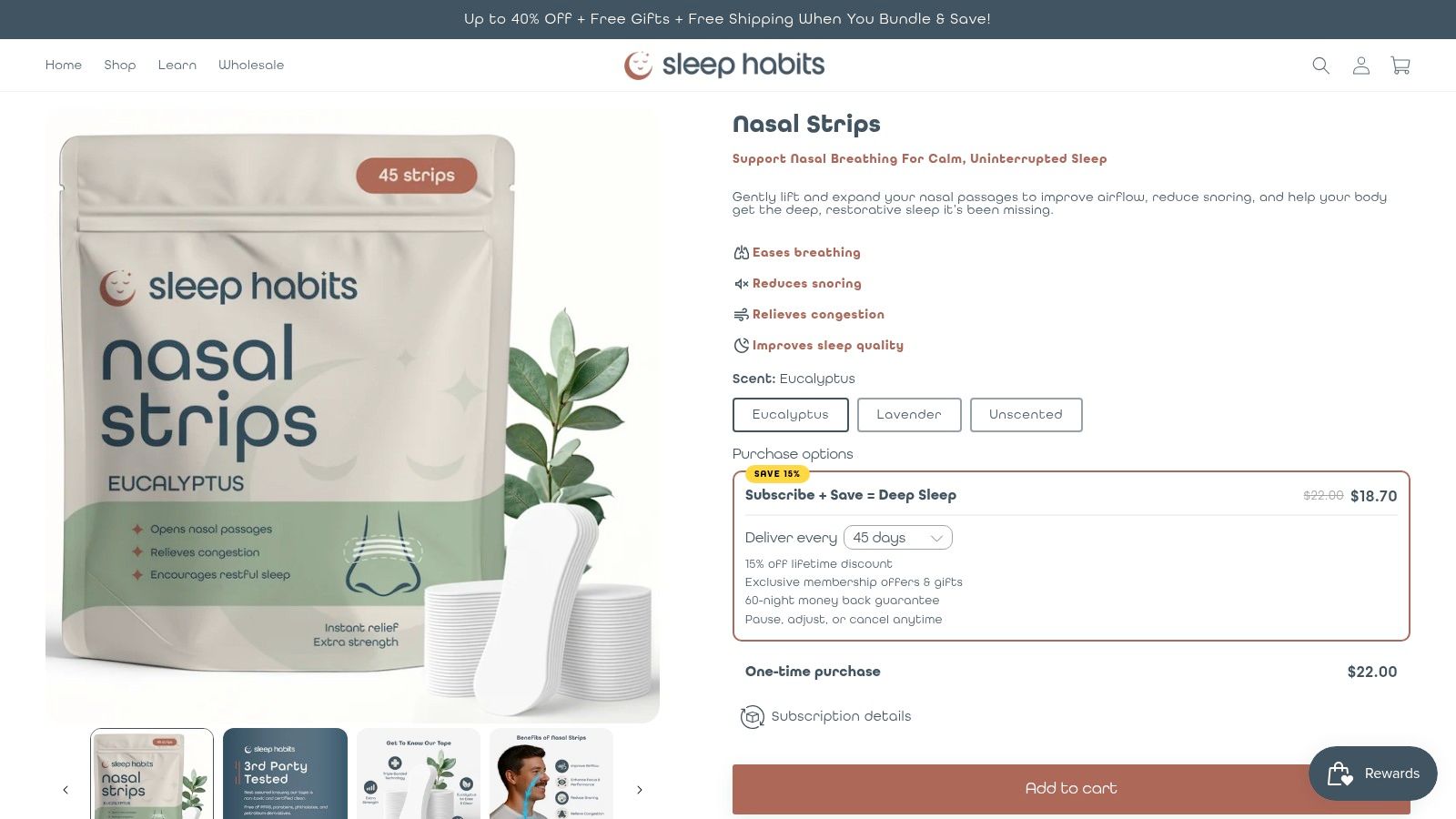
- Support nasal airflow: Nasal Strips gently open the nasal passages when congestion or narrow airflow contributes to mouth breathing.
- Use slow breathing: Keep the pace comfortable rather than forcing large breaths or holding your breath.
- Review the result: Look at sleep continuity, morning alertness, digestion, and any new symptoms.
A warm, comfortable sleep environment can support the same routine. For people comparing bedding options, information about personalized photo blanket gifts also discusses temperature-regulating blanket considerations, which may help when comfort affects nighttime settling.
The important distinction is that airway tools and magnesium address different parts of the experience. Magnesium may support relaxation and provide dietary magnesium, while nasal strips address airflow through the nose. Neither should be presented as a standalone treatment for suspected sleep apnea, persistent insomnia, or significant breathing difficulty.
Safety Guidelines and Medication Interactions
Choosing a form is only half the job. Safe use depends on dose, kidney function, and medication timing. For U.S. adults, the tolerable upper intake level from supplements and medications is 350 mg per day of elemental magnesium. Food sources are outside that limit, which is why the label should show elemental magnesium clearly instead of only the heavier compound name.
Excess supplemental magnesium often shows up as diarrhea, nausea, or cramping. I treat those symptoms as a dosing signal, not a reason to keep increasing the amount. If a product is not helping sleep, more magnesium can turn a mild tolerance issue into a gastrointestinal one.

Screen for the risks that matter most
Kidney function is the first checkpoint. The kidneys clear excess magnesium, so the risk of toxicity rises when renal clearance is reduced. Anyone with chronic kidney disease, kidney failure, or another condition that affects kidney function should get clinical guidance before adding a supplement.
Medication timing deserves the same attention. Magnesium can reduce absorption of bisphosphonates and antibiotics if they are taken too close together. The right interval depends on the specific drug, so a pharmacist is the best source for a spacing plan. Night dosing can still create problems when it overlaps with a medicine or when magnesium builds up because clearance is impaired, as outlined in the NIH magnesium fact sheet for health professionals.
Other medicines and supplements can change magnesium balance, including diuretics, long-term acid-reflux or ulcer medicines, and very high-dose zinc. Review the full list with a clinician or pharmacist before you start. That includes sleep aids, cramp remedies, digestive products, and workout recovery supplements. For another common stacking question, see this guide on taking ashwagandha with magnesium. Add up the elemental magnesium from every product before combining them.
How to Choose the Right Magnesium for Your Goals
The best form of magnesium to take depends on the job you want it to perform.
| Your priority | Most practical starting point | Main trade-off |
|---|---|---|
| Occasional constipation | Magnesium citrate | The bowel-loosening effect may be too strong for nightly use |
| General supplementation with better solubility | Citrate, lactate, chloride, or aspartate | Digestive response still varies |
| Nighttime relaxation with digestive comfort in mind | Magnesium glycinate or bisglycinate | Sleep benefits aren't proven superior to other forms |
| Short-term laxative or antacid use | Magnesium oxide | Lower solubility makes it less efficient for raising magnesium status |
| Exploring a non-citrate formulation | Malate or taurate | Evidence doesn't establish a sleep advantage |
Start by identifying the goal, then compare elemental magnesium per serving. Choose a conservative amount, observe your gastrointestinal response, and change forms if diarrhea, nausea, or cramping appears. Don't assume that the product with the largest compound weight supplies the most useful magnesium.
If sleep is the goal, glycinate or bisglycinate is a reasonable tolerability-oriented trial, but it isn't a guaranteed insomnia remedy. If constipation is the goal, citrate may make more sense. If you need magnesium for a medical reason, have kidney impairment, or take interacting medication, involve a clinician rather than selecting a product solely from a supplement label.
The winning strategy is not finding a universal winner. It's selecting a form that matches your physiology, reading the elemental dose accurately, and stopping when the trade-off no longer serves your goal.
SleepHabits offers melatonin-free sleep support through Restore+, along with nasal strips and mouth tape designed to support nighttime breathing and recovery. Visit SleepHabits to explore these tools and build a more complete routine around the magnesium choice that fits you.